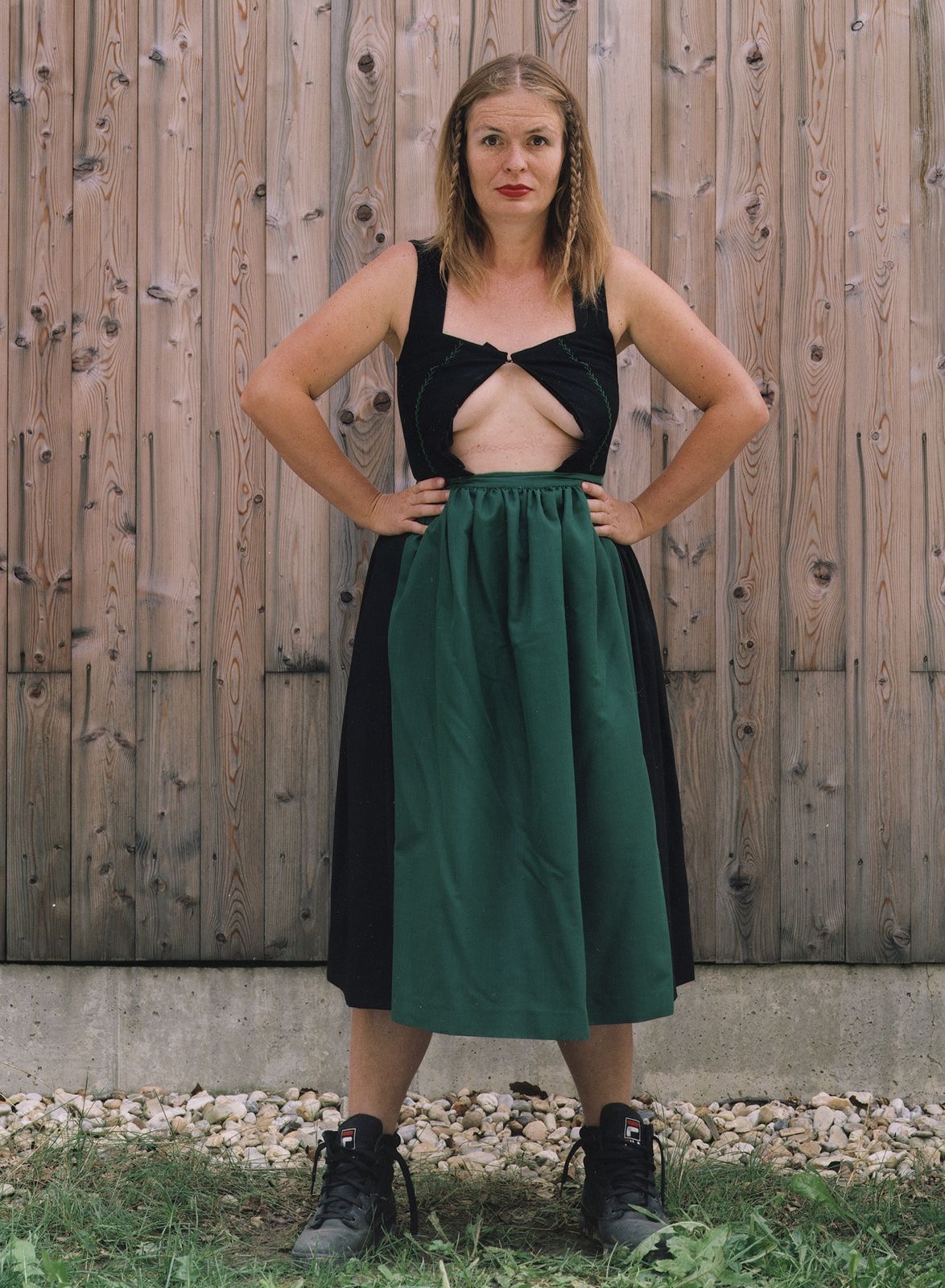
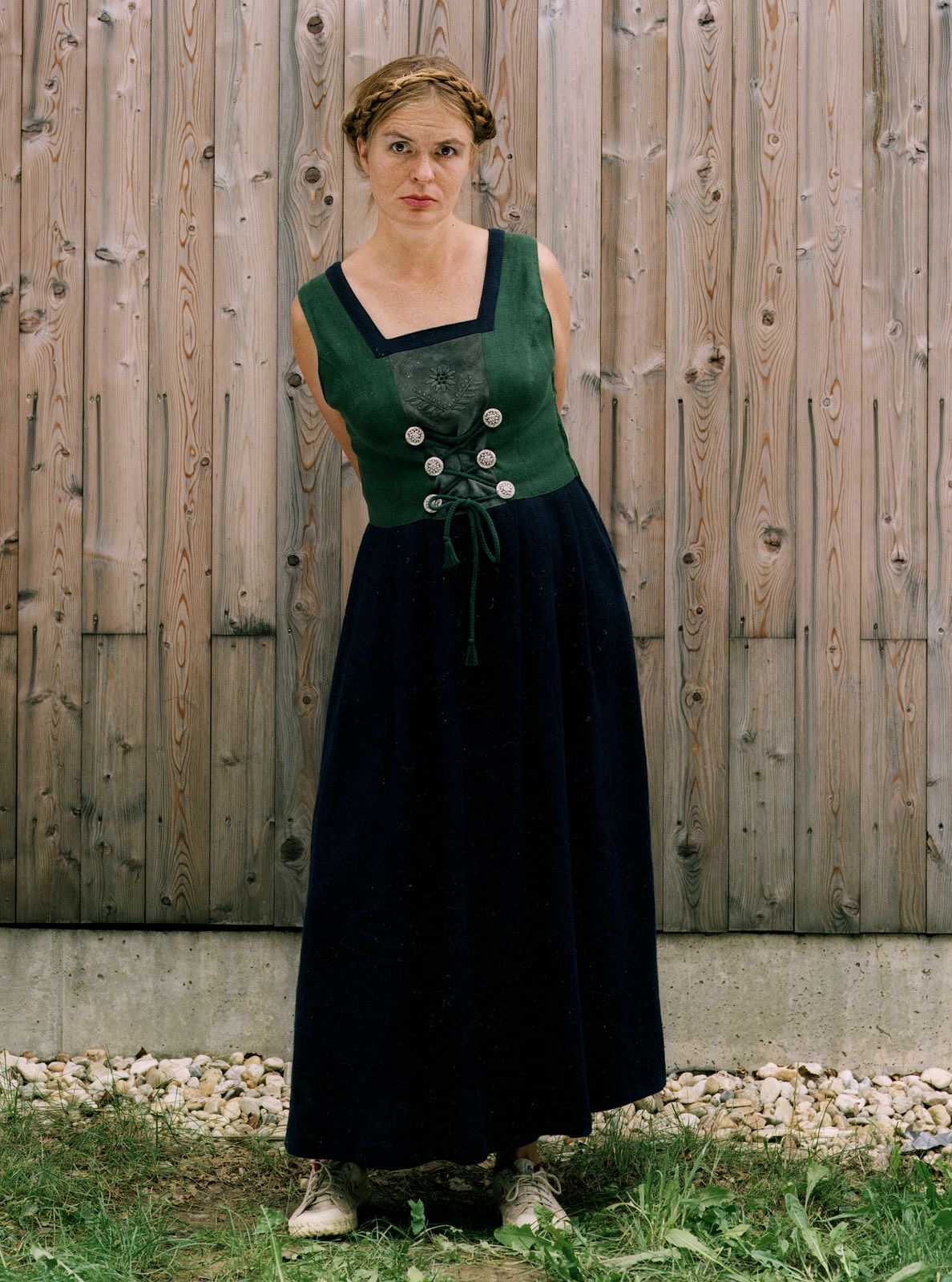
Tina Bara (b. 1962, Kleinmachnow, DE) is a photographer, filmmaker and professor whose work is rooted in the cultural and political tensions of the GDR.
Bara studied History and Art History at Humboldt-Universität in Berlin, from 1980 to 1986, while moving within the opposition circle Frauen für den Frieden. From 1986, as a member of the Association of Fine Artists of the GDR, she worked as a freelance photographer and contributed to documentary film projects at the DEFA-Studio für Dokumentarfilme. That same year, she began studying photography externally at the Hochschule für Grafik und Buchkunst Leipzig. In 1989, she emigrated to West Berlin. In 1993, she was appointed to the HGB Leipzig, where she has been leading the Photography class since 2005.
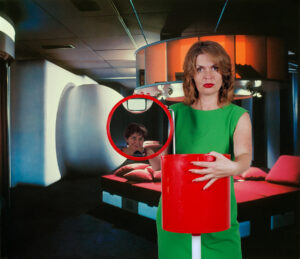
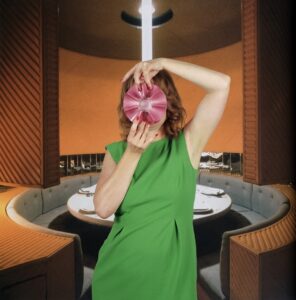
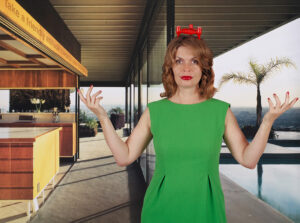
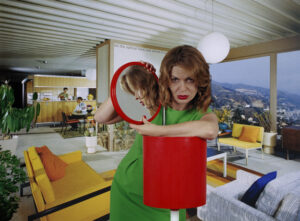
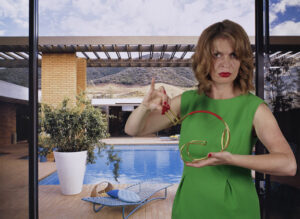
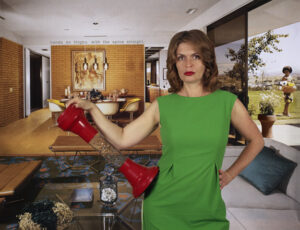
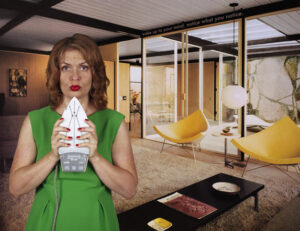
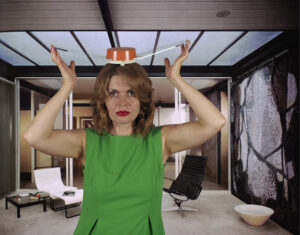
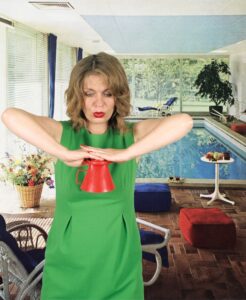
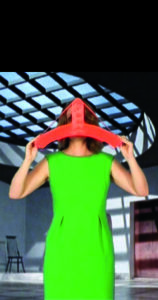
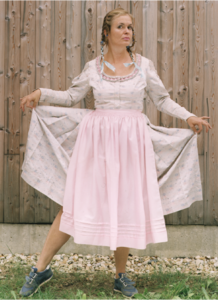
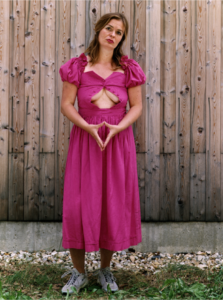
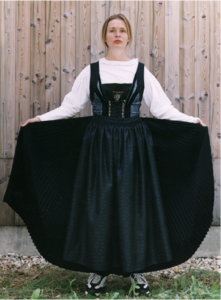
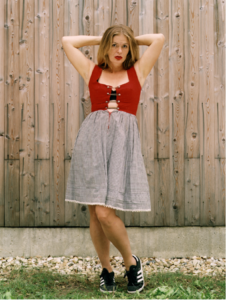
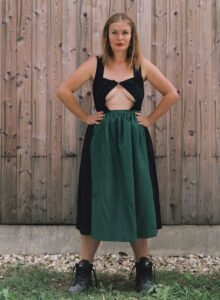
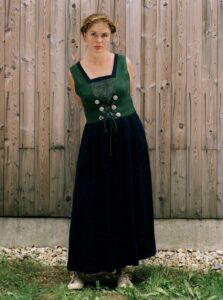
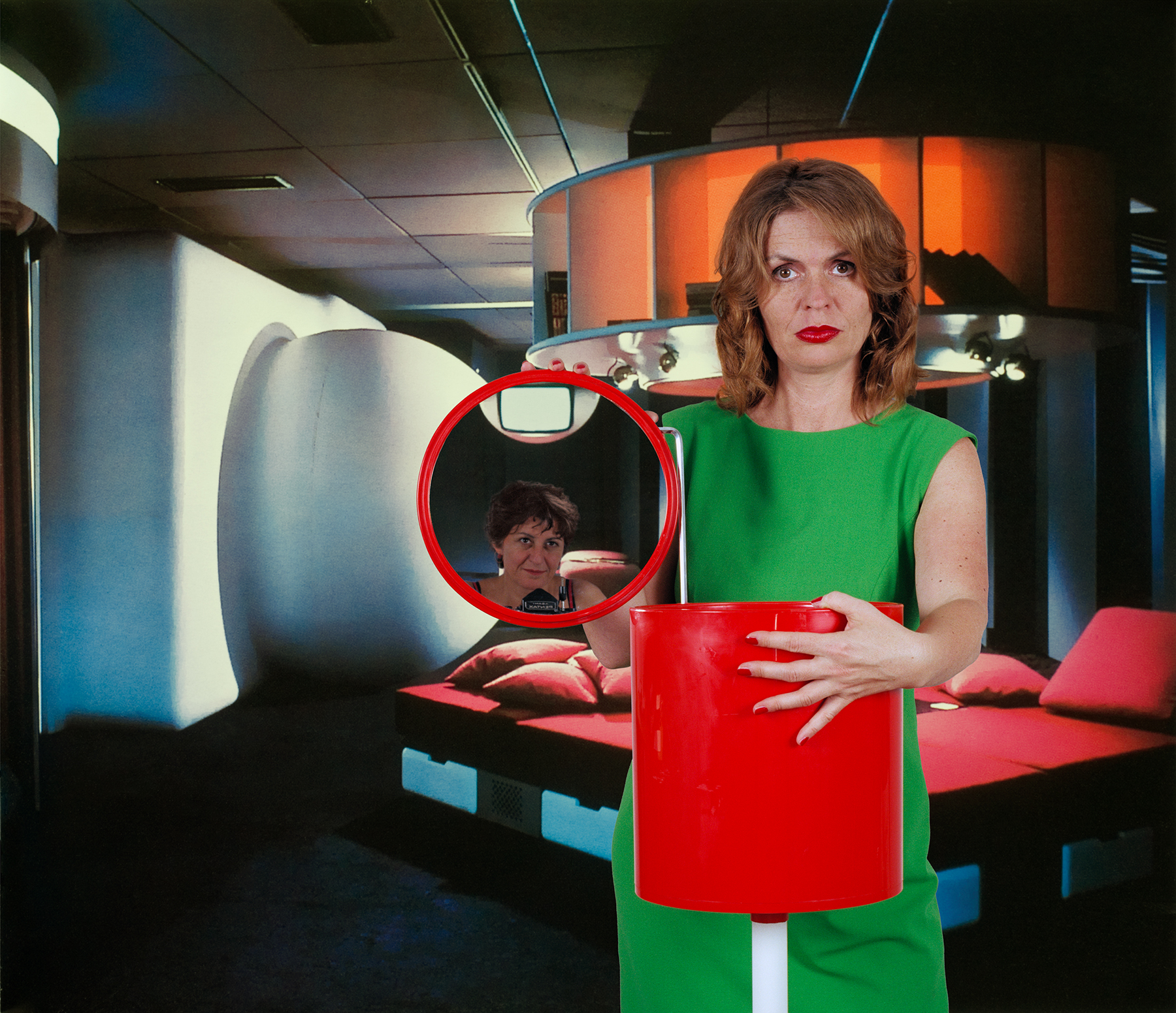
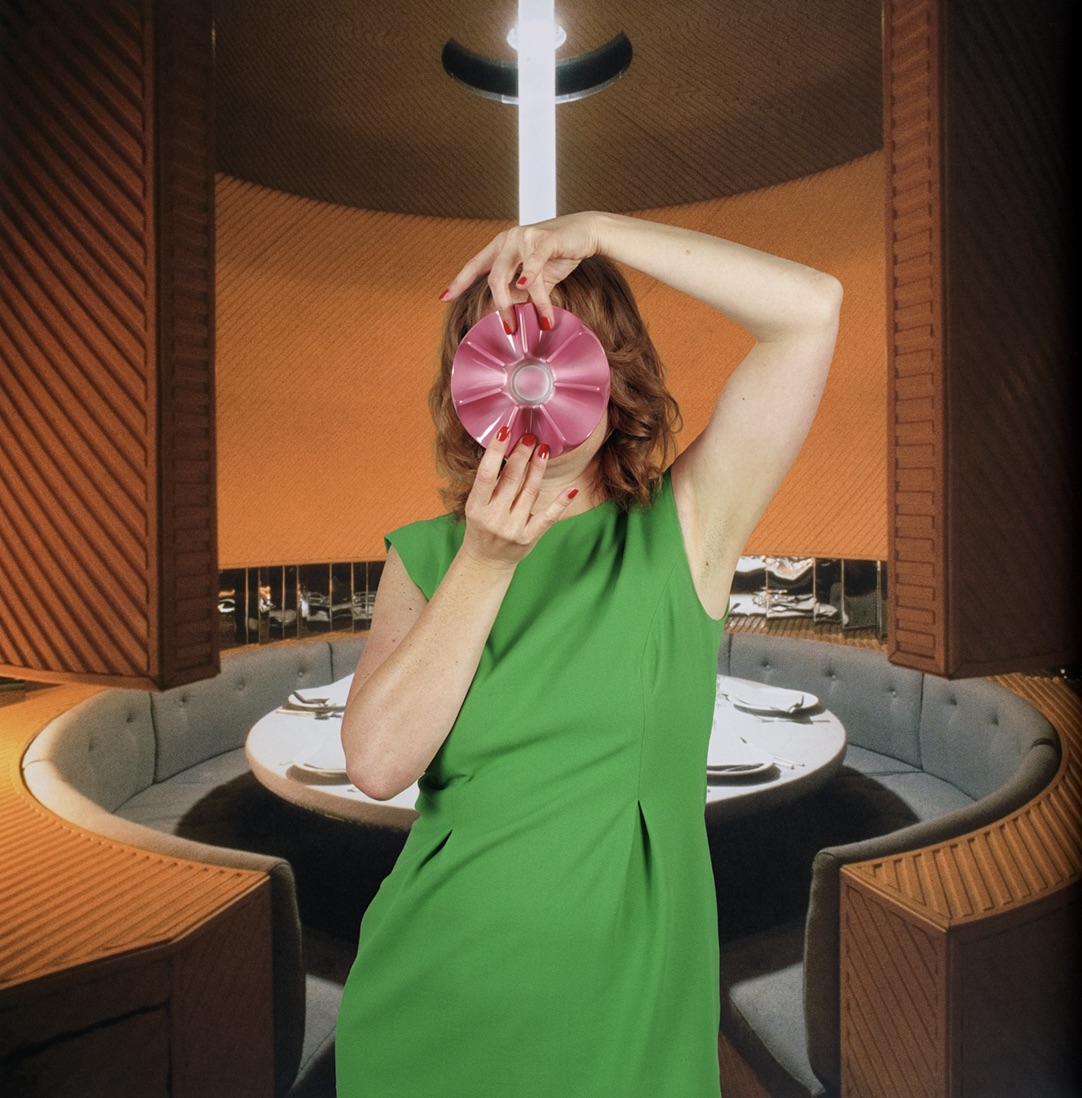
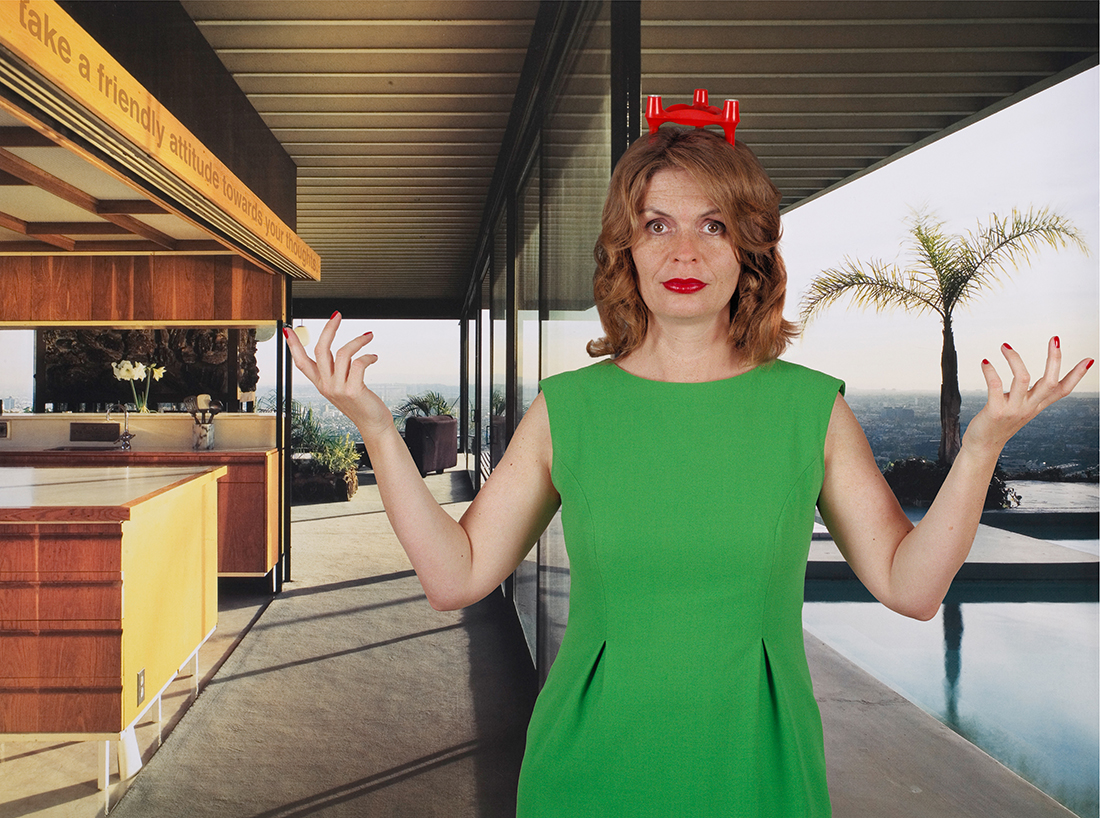
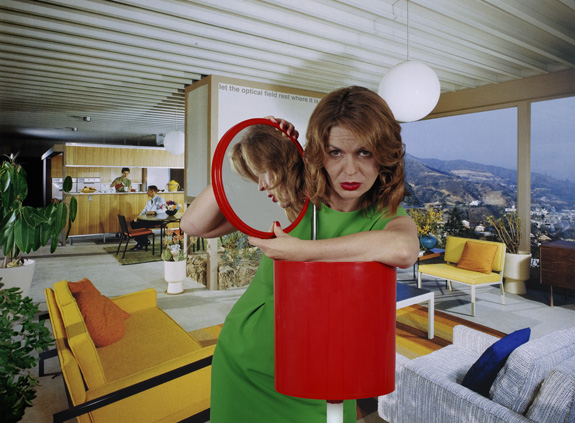
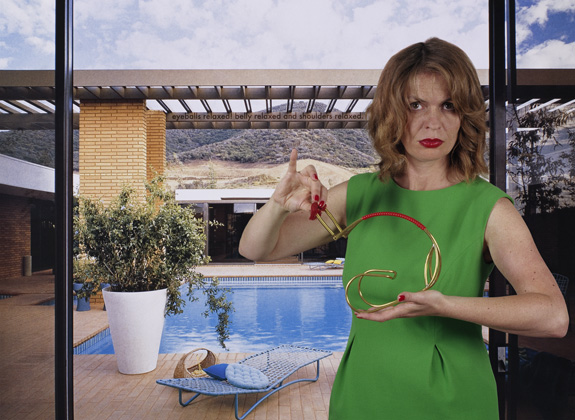
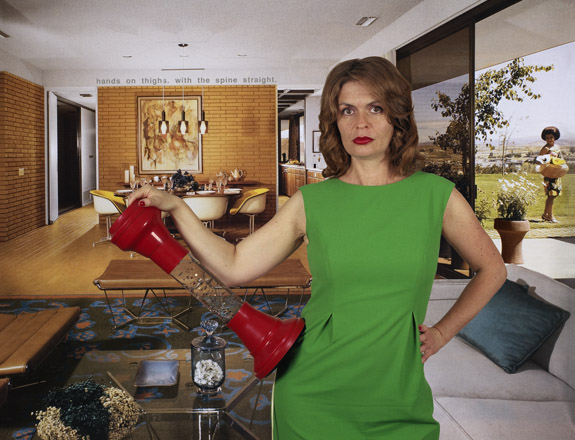
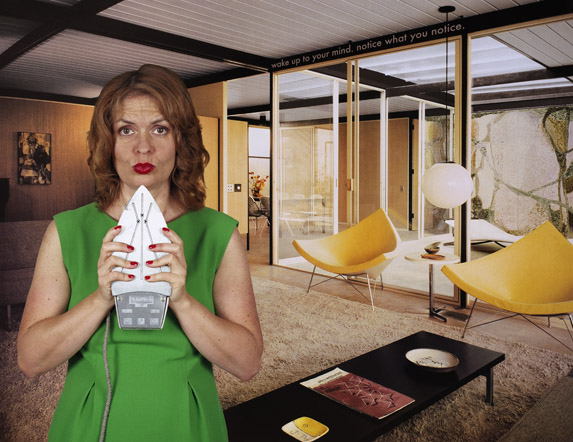
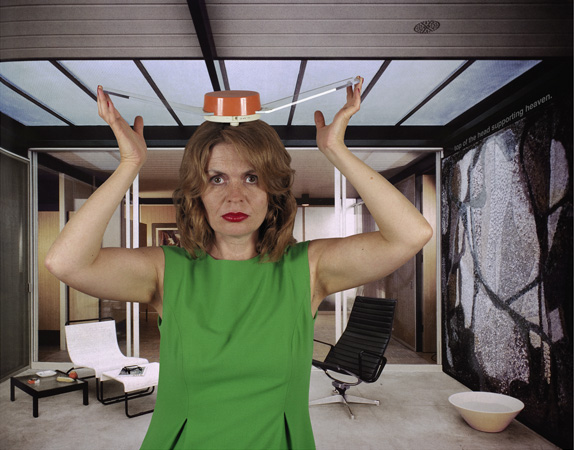
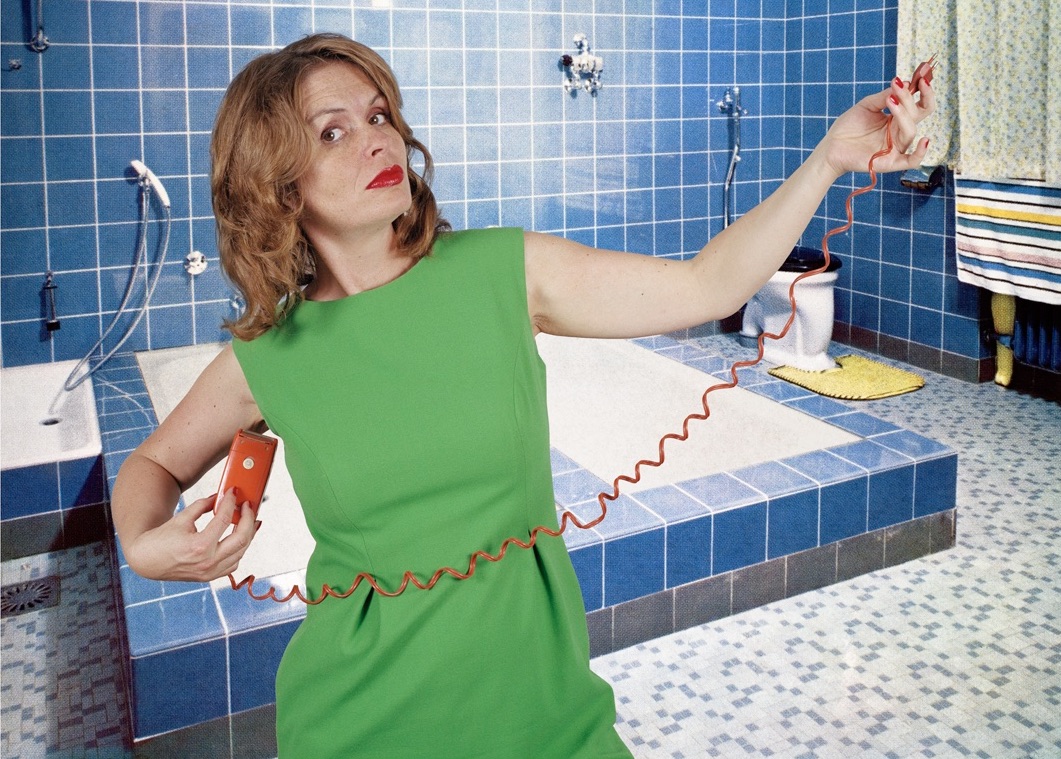
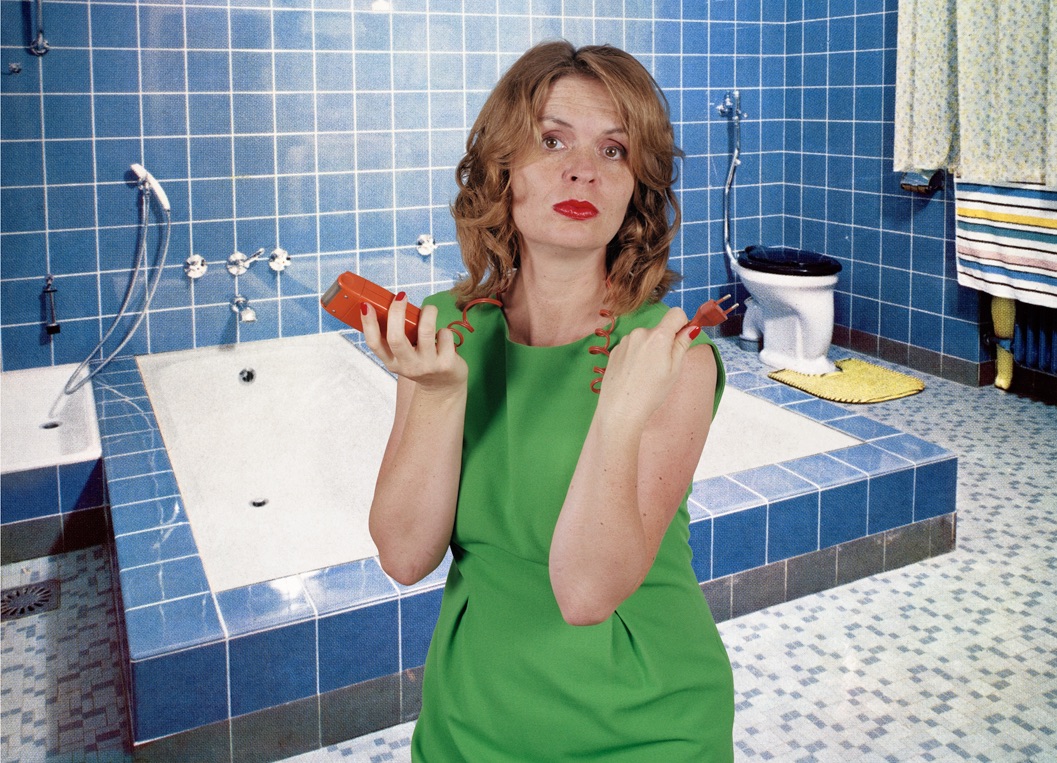
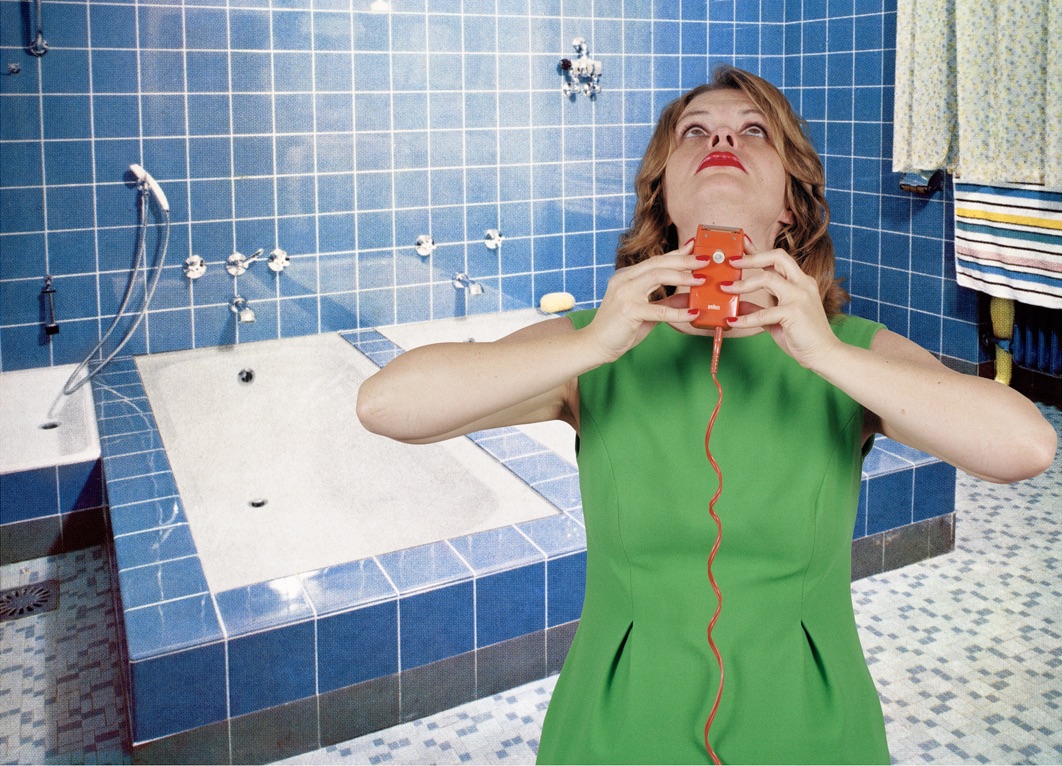
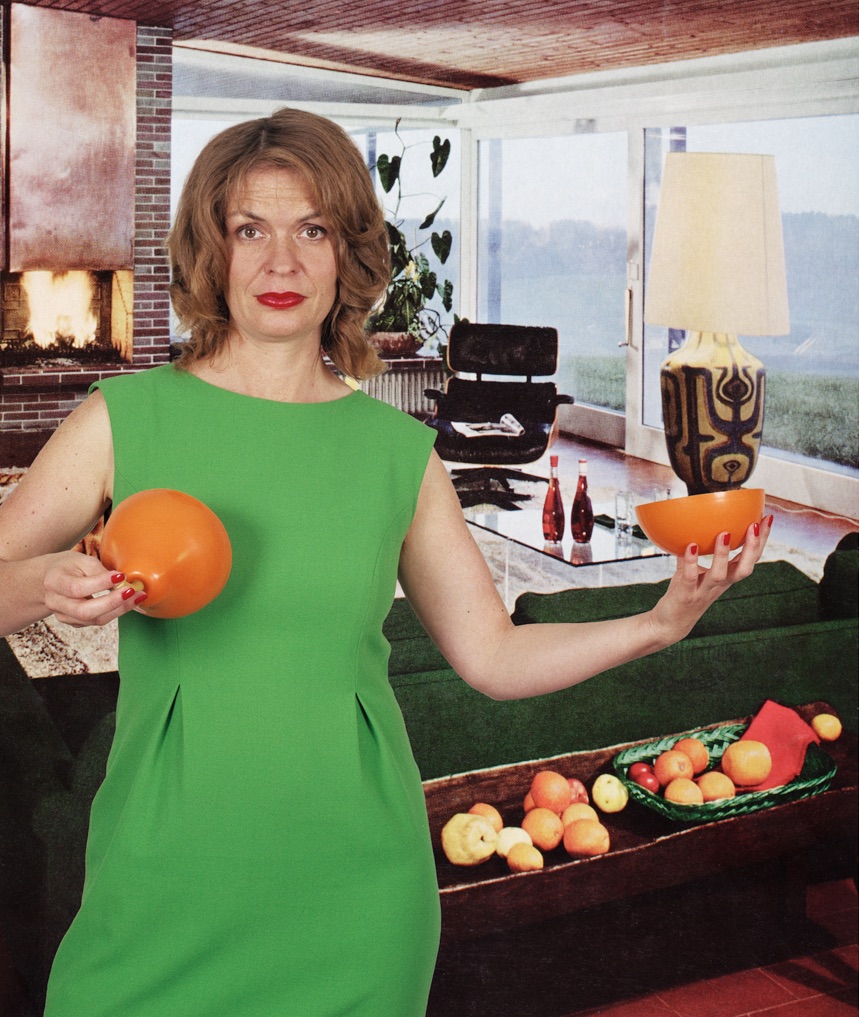
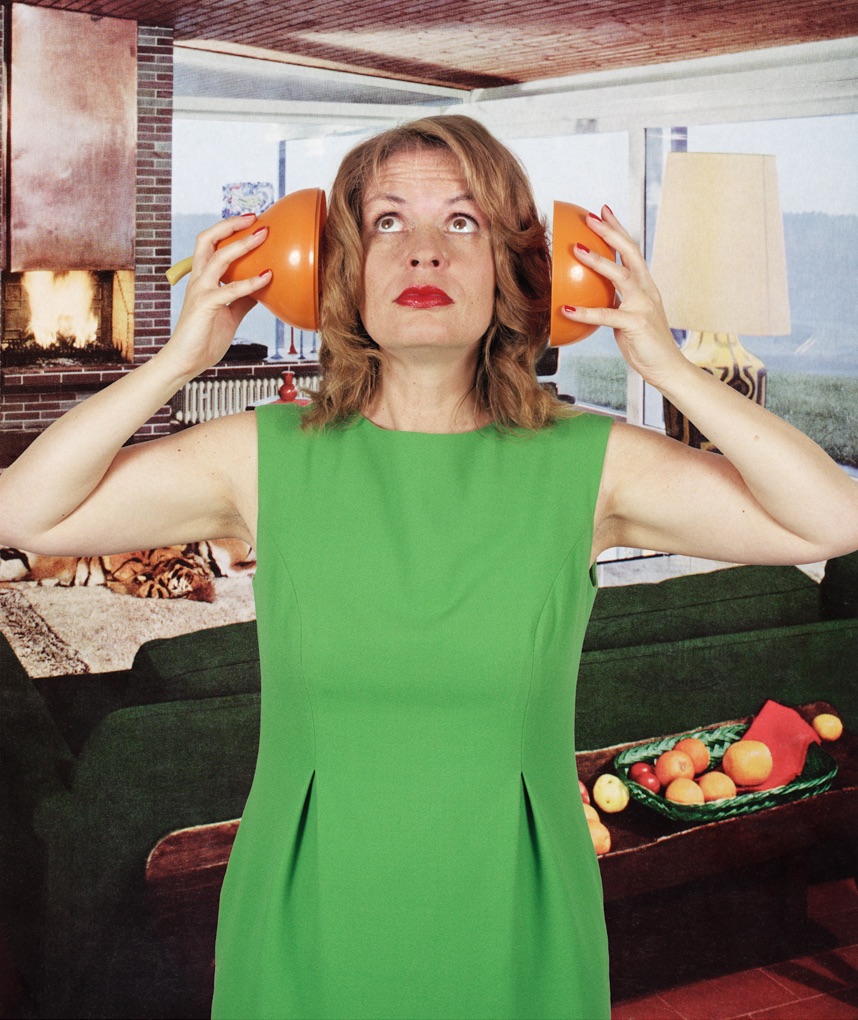
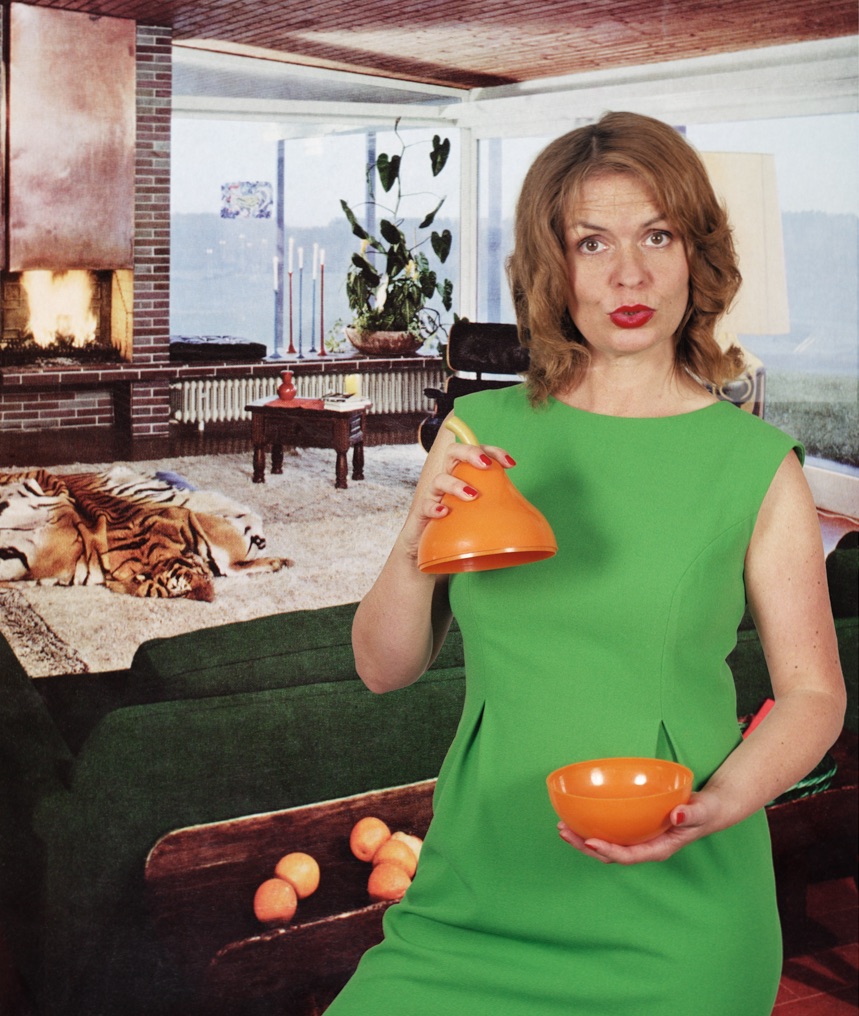
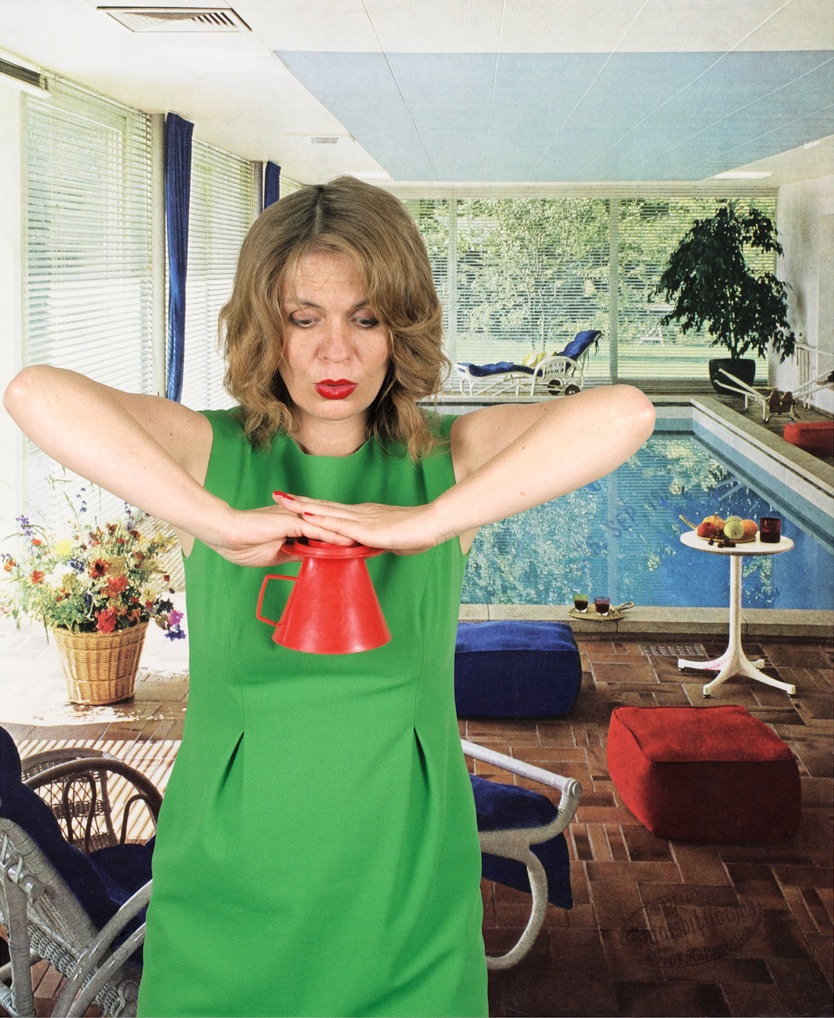
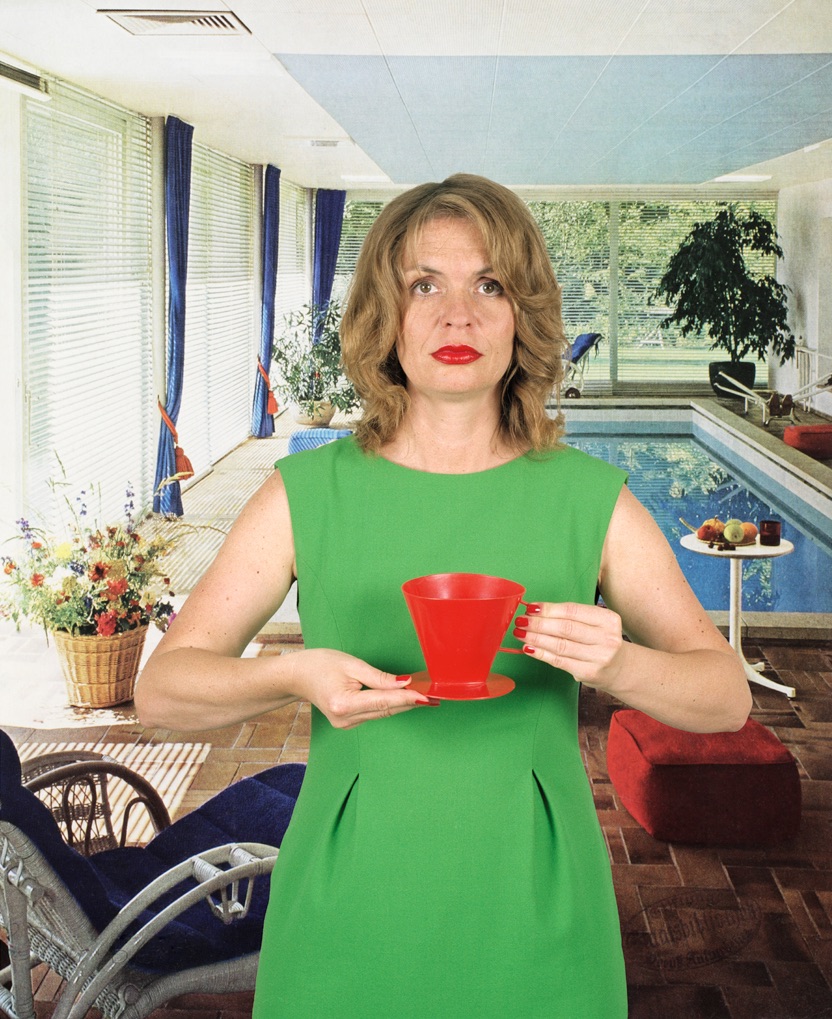
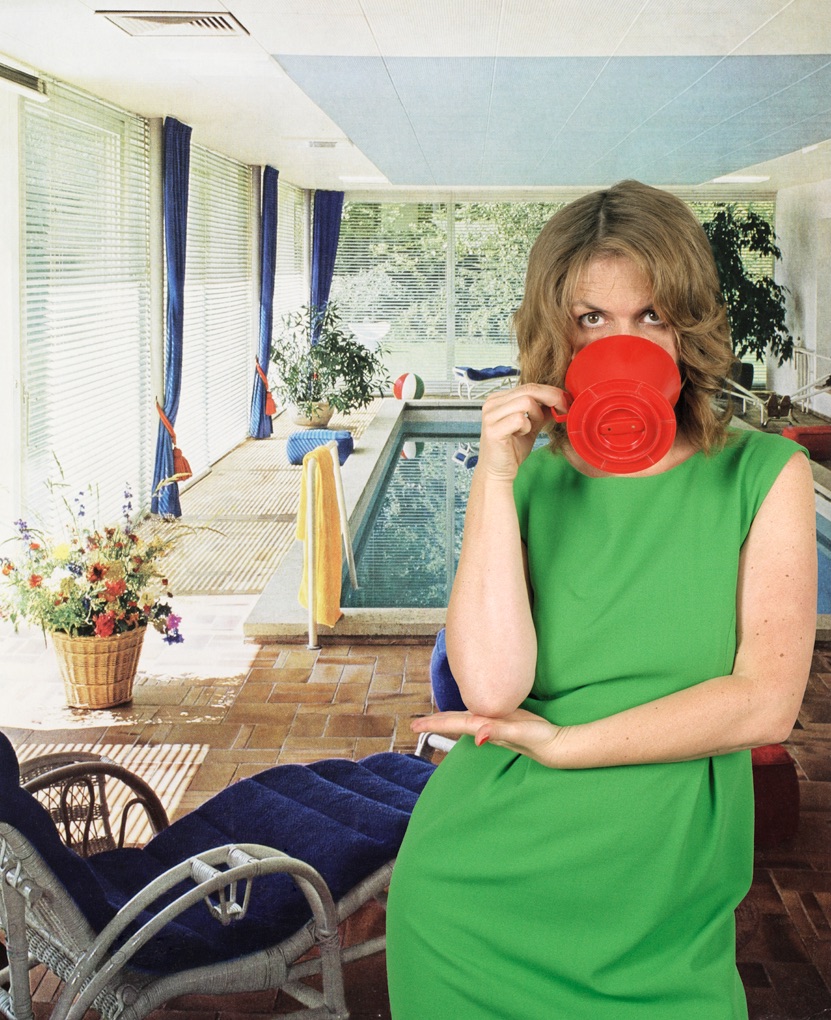
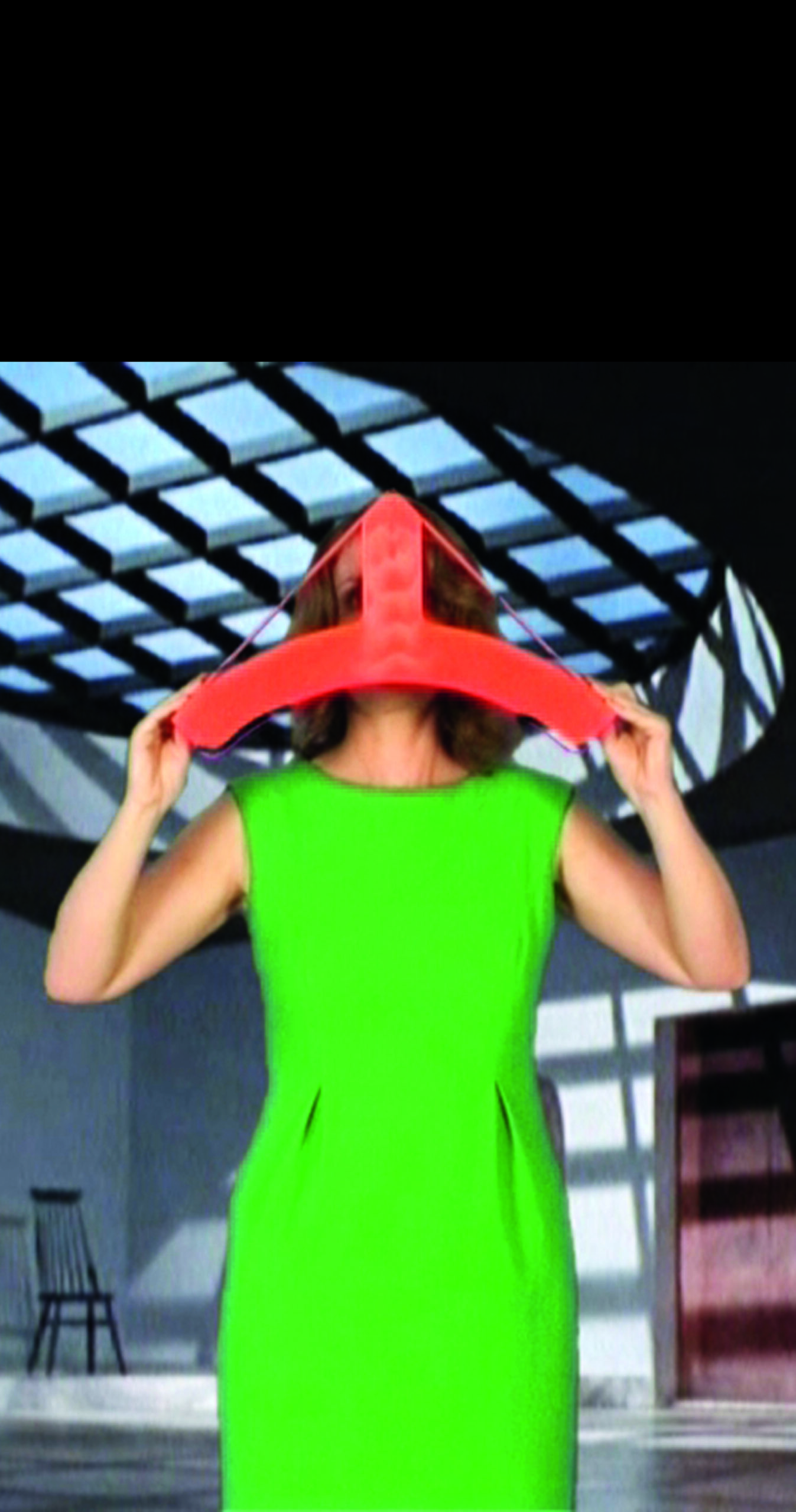
Since 2000, Bara has developed an extensive collaboration with Alba D’Urbano, bringing photography, video, installation, performance and curatorial practice into dialogue. Joint projects such as Portrait Alba / Tina Ritratto (2000), Kunstwerke (2004-2006), Bellissima (2006-2009) and Cover Girl (2008-2011) examine the construction of femininity, beauty, gesture and normative behaviour through media, fashion, domestic rituals and cultural memory.
Bara has initiated and co-developed numerous curatorial and research-based projects at the HGB Leipzig and internationally. Key projects comprise So jung kommen wir nicht mehr zusammen (2005), Projektionsraum Romantik (2006–2008) and Source, a series of workshops, screenings and exhibitions realised in Milan (2007), Nanjing (2014), Vilnius (2017), Istanbul (2019), Buenos Aires (2022) and Kumasi (2024).
Her filmic work includes Audienzen (2006-2007, with Barbara Metselaar), Bianca läuft… (2013), Lange Weile (2016) and Lost in Libken (2017). Across her videography, Bara returns to biography, testimony, intergenerational memory and the afterlives of social and political history.
Bara’s work has been shown internationally at major museums and photography institutions, such as the Martin-Gropius-Bau in Berlin, Rencontres d’Arles and the Wende Museum in Culver City. It is held in the collections of the Berlinische Galerie, Hamburger Bahnhof in Berlin and the Galerie für Zeitgenössische Kunst in Leipzig, among others.